Nicolas Altstaedt & Thomas Dunford (Musica Viva Australia)
In a word: exquisite. A concert that demands and rewards your complete attention.
0 Comments
August 15, 2026


In a word: exquisite. A concert that demands and rewards your complete attention.
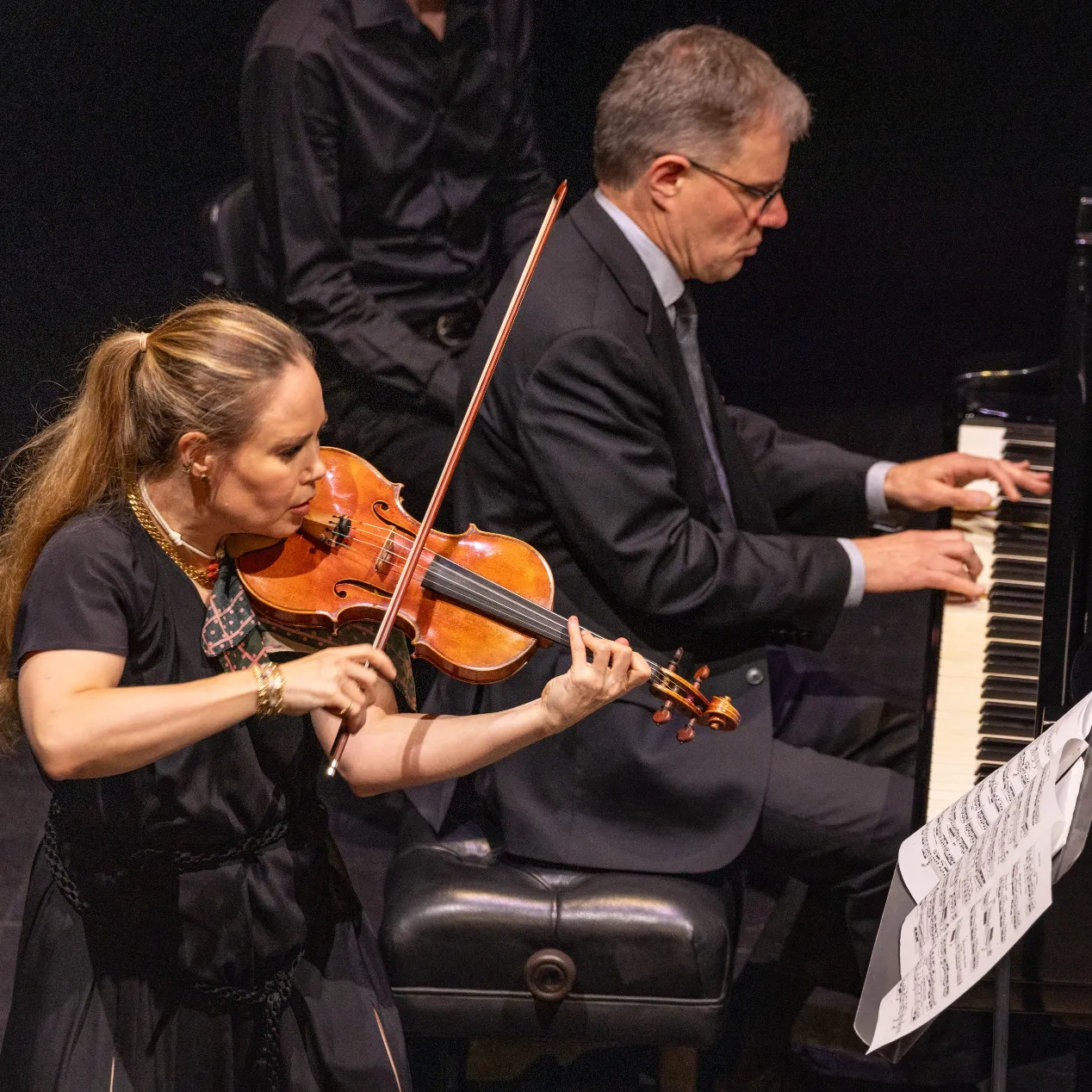
Debussy’s Sonata in G minor opened the program: his last completed work, signed “Musicien français,” composed as he lay dying in wartime Paris, its continuous-variation writing looking backward to Couperin and Rameau rather than forward to Romantic bravura. Josefowicz played it with her entire body, the melodic line’s slow unspooling as much danced as bowed, the finale’s tumultuous joy registering as gesture before it registered as sound.
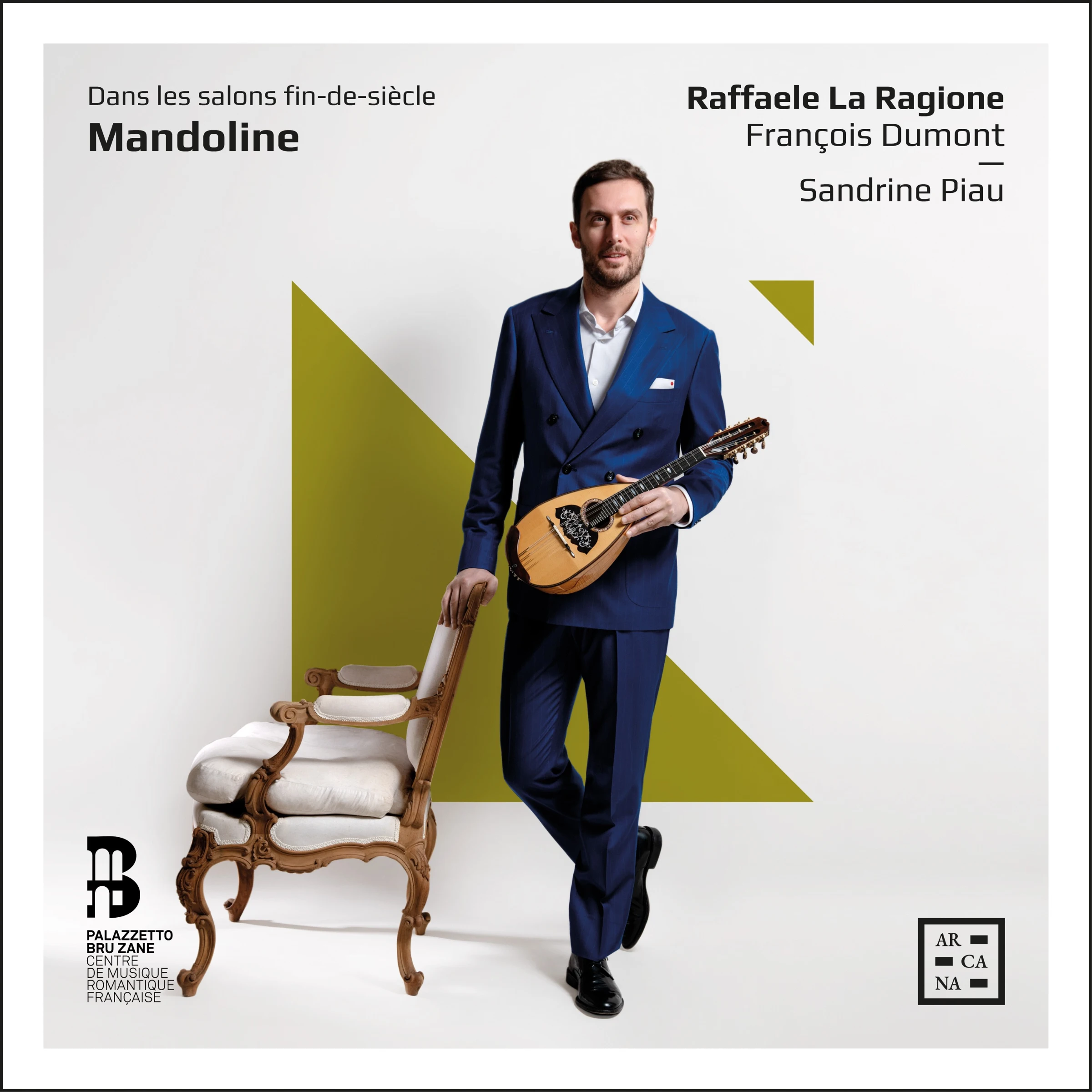
What an utterly captivating release this is, with three consummate performers recreating a Parisian fin de siècle salon in which the mandolin takes centre stage.
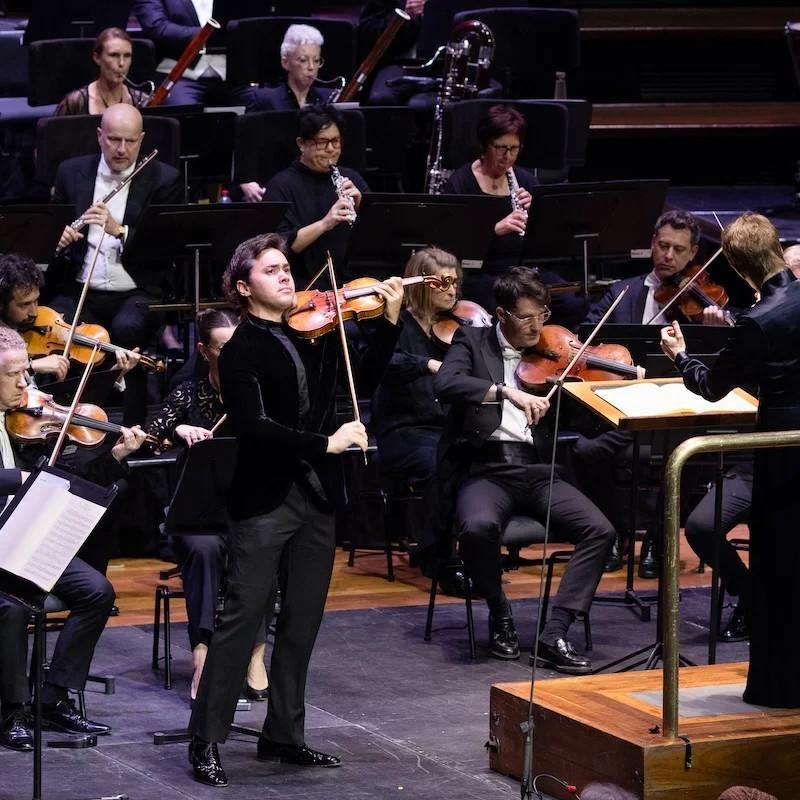
Beilman moved effortlessly from the opening movement’s ambiguous vocalics and marvellous cadenza through a serene C major cantabile to a sparkling, elfin finale, while Bihlmaier and WASO projected a classically proportioned sound picture enlivened by romantic burrs.
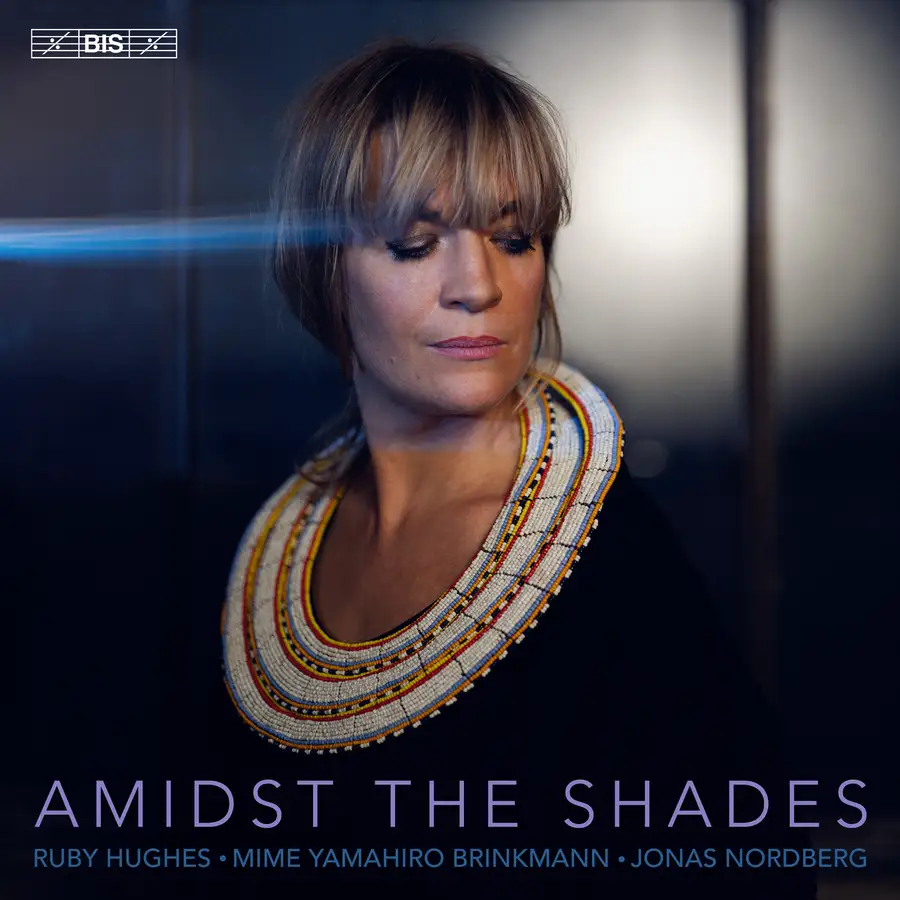
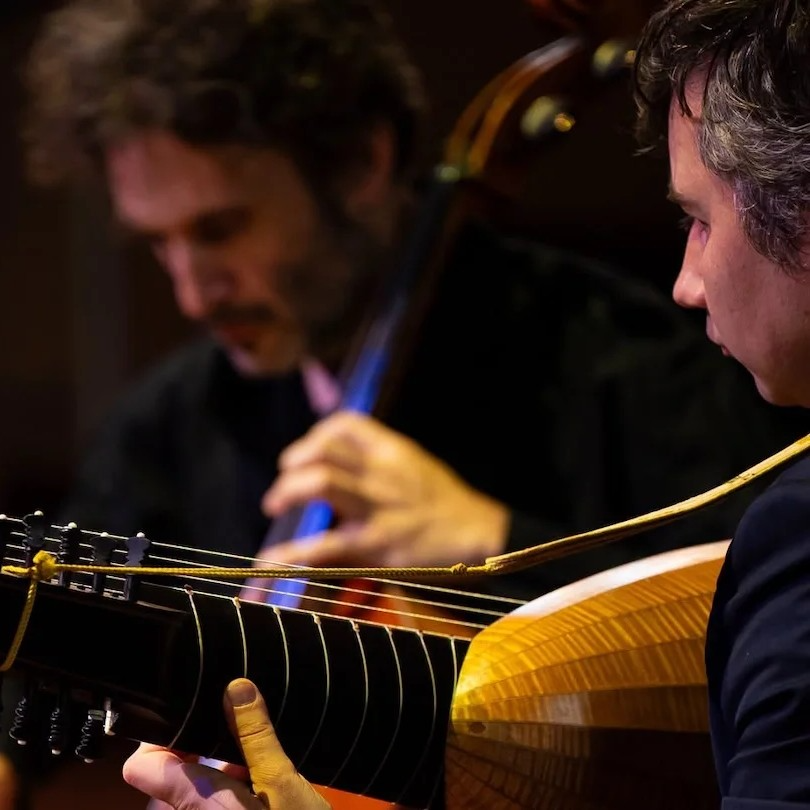
And thanks not only to the seamless stylistic transitions from the Renaissance and Baroque material to the new works but to Hughes’s impossibly pure soprano so tastefully illuminated by lute and viol, every note here floats not in aspic but in aether.
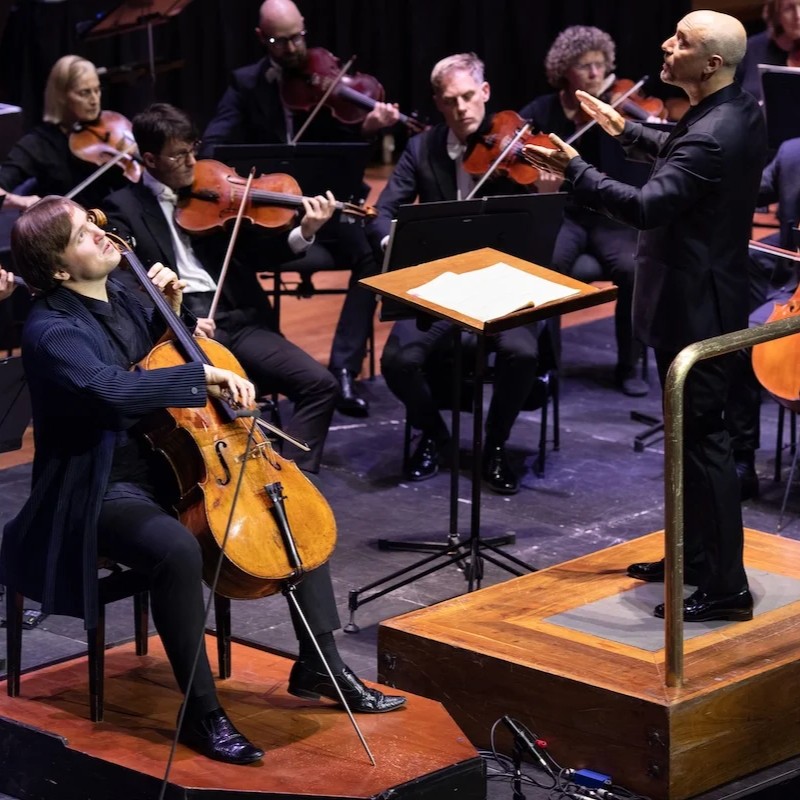
Lovers of Robert Schumann’s lieder – and I count myself among those happy multitudes – will find song in everything he wrote. Judging by this intimate, lyrical performance, Belarusian-French cellist Ivan Karizna, conductor Otto Tausk and the West Australian Symphony Orchestra certainly seem to have done so in the composer’s Cello Concerto in A minor, Op. 129.
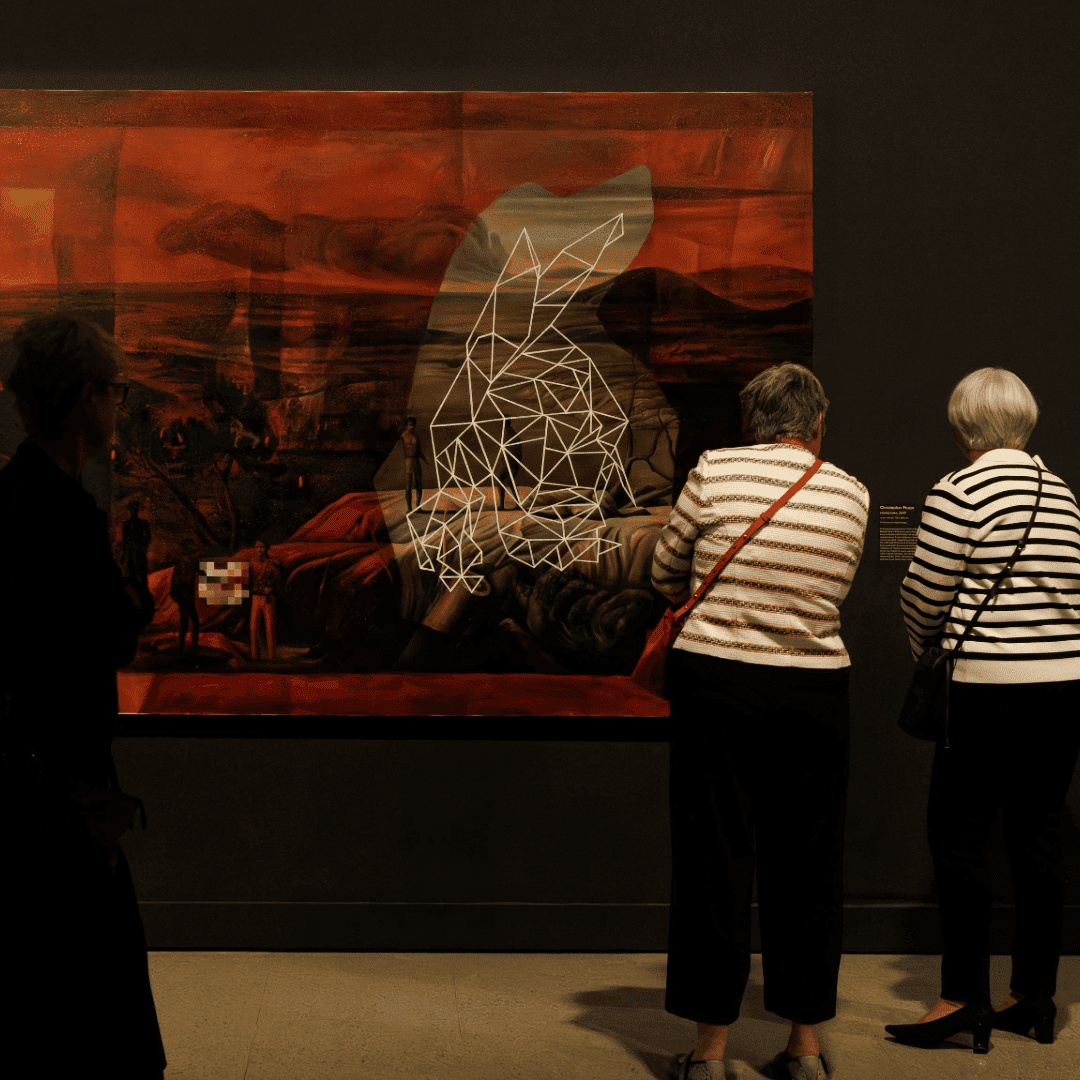
Just as colonial history and power structures persist beneath the surface of contemporary Australia, the source material persists beneath superimposed targets, floor plans and topographical lines. This dissonant dialectic, this cacophonic counterpoint between the European utopia below and the Noongar commentary above, is the engine driving the whirring gears of the whole exhibition.
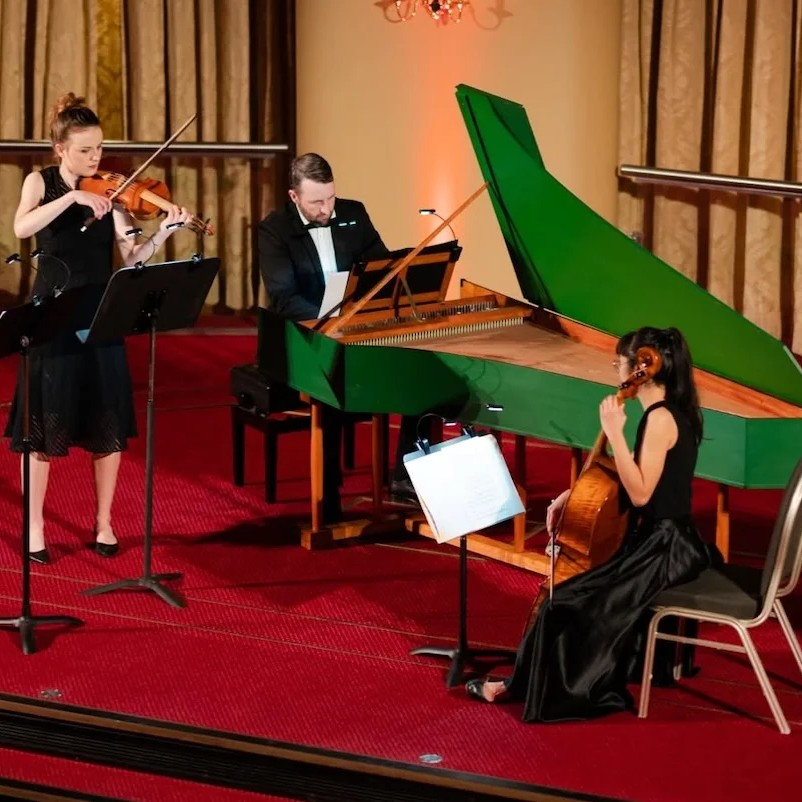
What better way to wile away a winter’s hour than to feast on the music of spring? Even if one might sometimes wish for less warmth, more fire, in this program of Italian Baroque monodies, ground basses and chamber music, the proof is in the pudding. And what fine fare it is.
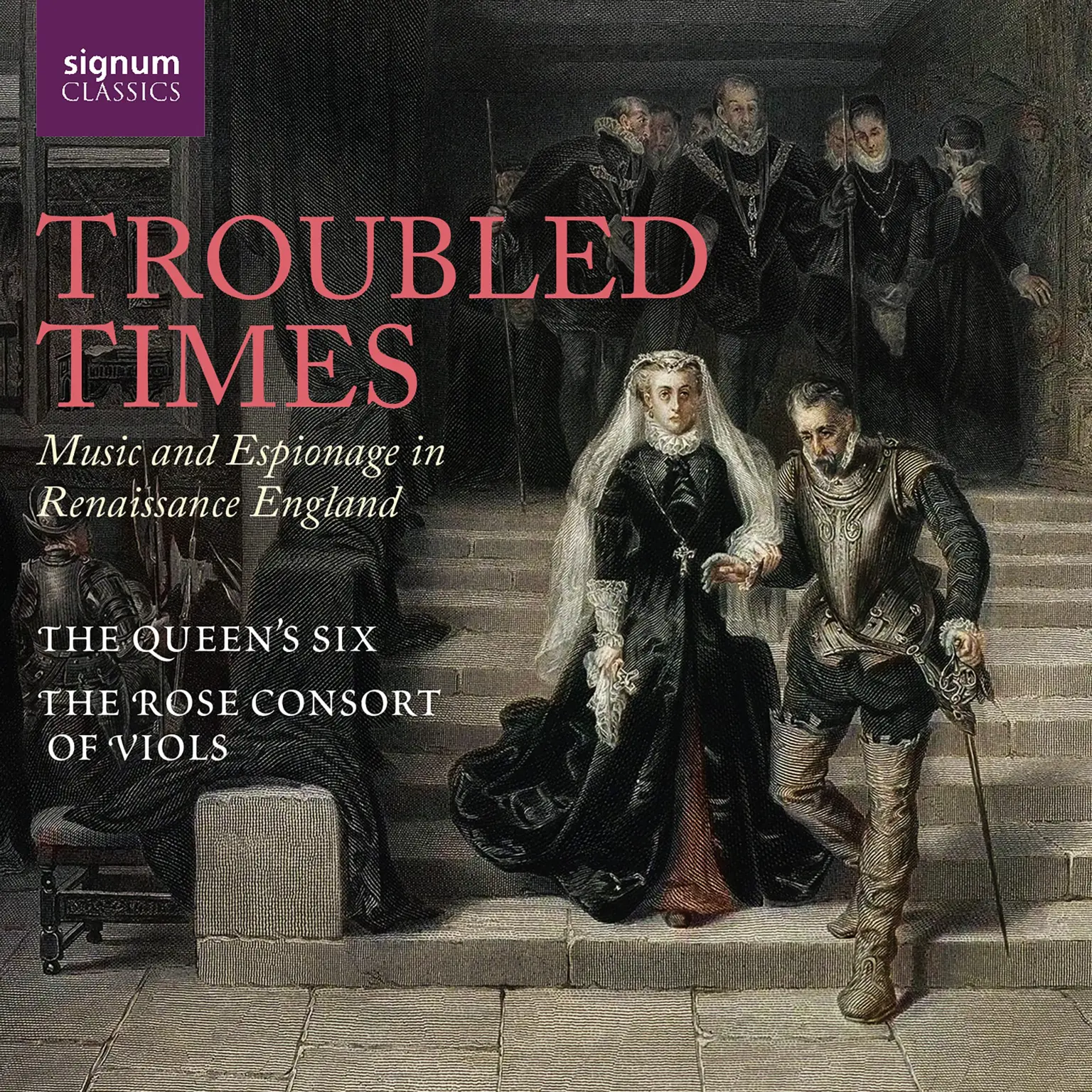
The Queen’s Six, now in their refreshed line‑up with altos Elisabeth Paul and Tom Lilburn replacing the original countertenors, bring to this repertoire the seamless blend you’d expect from singers who share not merely a concert platform but a postcode within Windsor Castle’s walls.
Nolan brings to them the same concentration one brings to a page of Celan: nothing is throwaway, everything is load-bearing...